



- Blog
- 7 tính năng của rơ-moóc chở hàng sàn phẳng mà người mua không bao giờ nên bỏ qua
- 8 cách xe rơ-moóc thùng lửng cải thiện hiệu quả logistics
- Xe tải sàn phẳng là gì? – Hướng dẫn toàn diện về logistics & vận tải
- Xe rơ-moóc tự đổ là gì? Hướng dẫn toàn diện về các loại, công dụng và cách chọn phương tiện vận chuyển phù hợp
- Tại sao xe sơ-mi rơ-moóc lại thiết yếu trong logistics hiện đại?
- Tại sao lốp xe bị mòn?
Thể loại
Bài viết gần đây
- Bán trailer
- Sơ mi rơ moóc thành lửng
- Xe kéo phẳng
- Sơ mi rơ moóc Interlink
- Trailer đổ
- lowbed bán trailer
- Trailer xi măng số lượng lớn
- xe container
- xe chở dầu
- Tàu chở LPG bán trailer
- Sơ mi rơ moóc khung mui
- tàu chở dầu nhôm
- tàu chở hóa chất bán trailer
- xe đẩy bằng thép không gỉ
- Rơ moóc xe buýt
- modulartrailer
- Sơ mi rơ moóc lạnh
- đăng nhập bằng gỗ trailer
- xe vận chuyển bán trailer
- xe kéo cánh gió
- Sơ mi rơ moóc rèm che
- Xe tải Howo
- DRAWBAR TRAILER
- Xe tải FAW
- Xe tải SHACMAN
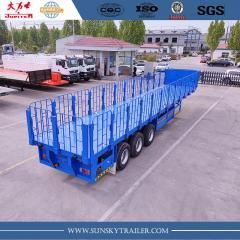
8 cách rơ-moóc thùng lửng giúp cải thiện hiệu quả logistics
Trong thế giới vận tải hàng hóa và quản lý chuỗi cung ứng đầy nhịp độ nhanh, hiệu quả vận hành quyết định trực tiếp đến biên lợi nhuận. Các nhà quản lý đội xe và nhà cung cấp dịch vụ logistics luôn tìm kiếm các thiết bị giúp giảm thiểu thời gian quay vòng, giảm chi phí nhân công và thích ứng với nhiều loại hàng hóa khác nhau.
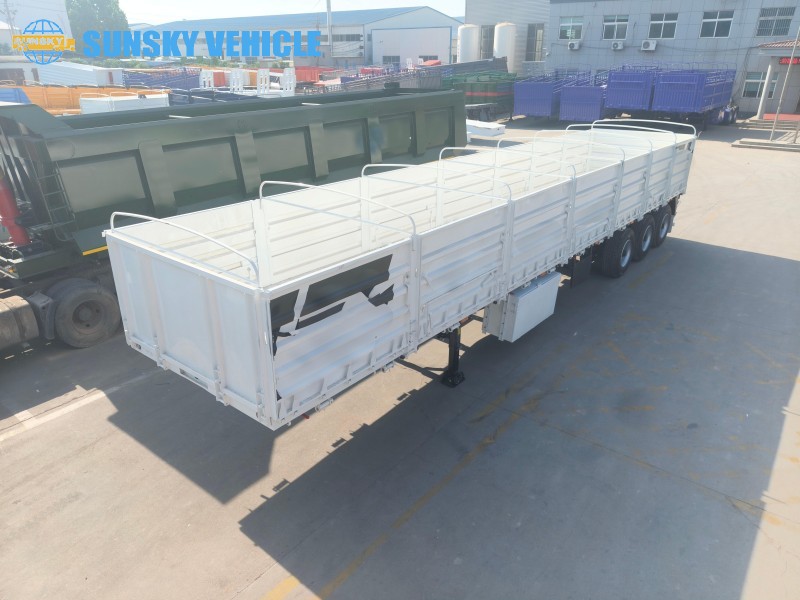
Hãy cân nhắc đến rơ-moóc thùng lửng (còn được gọi là sơ-mi rơ-moóc thành bên). Bằng cách kết hợp khả năng tiếp cận của xe sàn phẳng với sự an toàn của thùng có vách ngăn, rơ-moóc thùng lửng đã trở thành tài sản nền tảng cho các hoạt động logistics hiện đại.
Dưới đây là 8 cách đã được kiểm chứng giúp rơ-moóc thùng lửng tăng đáng kể hiệu quả logistics và giúp đội xe của bạn luôn dẫn đầu trước các đối thủ cạnh tranh.
1. Tăng tốc thời gian bốc và dỡ hàng từ bên hông
Các loại rơ-moóc thùng kín truyền thống buộc người vận hành phải bốc hàng theo trình tự qua cửa sau—một quy trình tạo ra các điểm nghẽn đáng kể tại các trung tâm phân phối bận rộn.
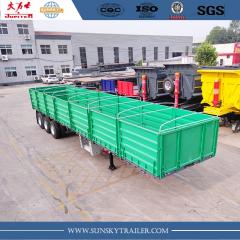
Với rơ-moóc thùng lửng, các tấm bửng bên có bản lề có thể gập xuống 180 độ. Thiết kế này cho phép người vận hành xe nâng tiếp cận sàn xe trực tiếp từ hai bên dọc theo toàn bộ chiều dài của rơ-moóc.
-
Thời gian tiết kiệm được: Việc bốc hàng từ bên hông giúp giảm thời gian quay vòng từ 40% đến 60% so với việc bốc hàng tiêu chuẩn chỉ từ phía sau.
-
Giảm điểm nghẽn: Nhiều xe nâng có thể bốc hoặc dỡ hàng ở các phần khác nhau của sàn xe cùng một lúc.
2. Tính linh hoạt với nhiều loại hàng hóa (Giảm số chuyến xe chạy rỗng)
Một trong những nguyên nhân gây thất thoát lợi nhuận lớn nhất trong logistics là "chạy rỗng"—chạy rơ-moóc không hàng trên các chuyến về. Rơ-moóc thùng lửng giảm thiểu điều này bằng cách cung cấp sự linh hoạt vượt trội về hàng hóa.
| Loại hàng hóa | Cách rơ-moóc thùng lửng xử lý |
| Hàng hóa đóng pallet | Được cố định với các vách bên dựng đứng hoặc gập xuống để xe nâng tiếp cận dễ dàng. |
| Hàng rời (sỏi, cát, ngũ cốc) | Được chứa an toàn bên trong các vách bên mà không có nguy cơ rơi vãi. |
| Máy móc quá khổ & đường ống | Các vách bên gập phẳng, biến thiết bị thành xe sàn phẳng cho các loại hàng hóa rộng. |
Bằng cách đáp ứng cả vật liệu rời và hàng hóa đóng pallet hoặc hàng quá khổ, đội xe của bạn đạt được tỷ lệ lấp đầy tải trọng cao hơn và giảm đáng kể các chuyến về không hàng.
3. Giảm sự phụ thuộc vào thiết bị cẩu chuyên dụng
Việc dỡ các thiết bị nặng, hình dáng cồng kềnh tại các công trường từ xa—như khu vực xây dựng hoặc cánh đồng nông nghiệp—thường đòi hỏi các loại cẩu trên cao đắt tiền hoặc thiết bị nâng di động nếu sử dụng xe tải thùng cao tiêu chuẩn.
Vì các vách thùng lửng có thể gập phẳng ngang với khung gầm, xe nâng tiêu chuẩn, xe nâng đa năng hoặc máy xúc lật có thể dễ dàng tiếp cận từ mặt đất. Khả năng tiếp cận tự thân này giúp loại bỏ thời gian chờ đợi các loại máy móc dỡ hàng chuyên dụng.
4. Tăng cường an ninh hàng hóa với các vách ngăn mô-đun
Không giống như các loại rơ-moóc sàn phẳng thuần túy chỉ dựa vào dây đai và bạt để giữ hàng, rơ-moóc thùng lửng cung cấp các vách ngăn vật lý bằng thép hoặc nhôm.
-
Bảo vệ ngang: Ngăn chặn các mặt hàng bị xê dịch trượt ra ngoài khi vào cua gấp hoặc phanh đột ngột.
-
Thùng lửng mô-đun: Nhiều mẫu thùng lửng hiện đại có các trụ có thể tháo rời hoặc gập lại, cho phép người vận hành tùy chỉnh chiều cao của thùng dựa trên khối lượng hàng hóa.
-
Tích hợp bạt: Các móc tích hợp dọc theo các tấm bửng giúp việc cố định bạt chống thời tiết trở nên nhanh chóng và thuận tiện.
5. Tối ưu hóa việc sử dụng không gian đội xe
Thời gian dành cho việc sắp xếp lại hàng hóa để vừa với kích thước chật hẹp là sự lãng phí tiền bạc. Rơ-moóc thùng lửng tối ưu hóa việc sử dụng diện tích sàn vì hàng hóa không cần phải nhét vừa khít qua khung cửa cố định.
Các khớp nối, điểm buộc dây và vòng móc được tích hợp trực tiếp vào các thanh bên. Các điều phối viên logistics có thể lập kế hoạch cấu hình tối đa về thể tích và trọng lượng một cách tự tin, vì biết rằng nhân viên mặt đất có thể dễ dàng tiếp cận mọi mét vuông trên bề mặt sàn.
6. Giảm chi phí bảo trì & thời gian ngừng hoạt động
Các loại cửa đuôi thủy lực phức tạp, cửa cuốn và cơ chế rèm che bên hông thường bị hao mòn cao, dẫn đến việc phải đưa vào xưởng bảo trì thường xuyên.
Rơ-moóc thùng lửng có thiết kế cơ khí đơn giản: bản lề chắc chắn, chốt khóa hạng nặng và các trụ thép gia cố.
-
Ít bộ phận chuyển động hơn: Giảm nguy cơ hỏng hóc cơ khí trong các khung thời gian giao hàng quan trọng.
-
Kết cấu bền bỉ: Được chế tạo với cấu trúc khung thép cường độ cao được thiết kế để chịu đựng môi trường xây dựng khắc nghiệt và thời tiết xấu.
7. Cải thiện công thái học cho người lao động & an toàn tại công trường
Việc giữ chân tài xế và an toàn lao động là những chỉ số vận hành quan trọng trong chuỗi cung ứng hiện đại. Việc thủ công vận chuyển các kiện hàng nặng đến mép sau của một chiếc rơ-moóc kín tạo ra các rủi ro về công thái học và tăng khả năng chấn thương tại công trường.
Rơ-moóc thùng lửng hợp lý hóa việc xử lý vật lý:
-
Người vận hành làm việc ở ngang tầm thắt lưng để mở các chốt bên.
-
Các rào chắn bên hông thấp giúp giảm bớt việc phải vươn người quá cao hoặc nâng hạ thủ công gây khó khăn.
-
Tầm nhìn thông thoáng từ mọi phía giúp giảm thiểu nguy cơ va chạm với xe nâng trong quá trình vận hành bốc dỡ hàng hóa.
8. Hiệu suất vượt trội tại các công trường đô thị và không gian chật hẹp
Các khu vực giao hàng trong đô thị và công trường xây dựng ở nông thôn thường thiếu bến bốc dỡ hàng hóa chuyên dụng. Việc điều khiển một chiếc xe moóc tải sau cỡ lớn vào không gian chật hẹp có thể làm chậm tiến độ nghiêm trọng.
Xe moóc thùng lửng cho phép bốc hàng từ bên hông dọc theo mép lề đường, lối đi hẹp hoặc các khu vực dỡ hàng ven đường. Tài xế không cần phải lùi xe trực tiếp vào khung bến bốc dỡ—họ chỉ cần đỗ xe dọc theo khu vực dỡ hàng, hạ các vách bên xuống và hoàn tất việc giao hàng một cách hiệu quả.
Xe moóc thùng lửng so với các lựa chọn thay thế tiêu chuẩn: So sánh nhanh
| Tính năng | Xe moóc thùng lửng | Xe moóc sàn phẳng tiêu chuẩn | Xe moóc thùng kín |
| Khả năng bốc hàng từ bên hông | Tuyệt vời (Tiếp cận toàn diện) | Tuyệt vời | Không có |
| Khả năng chứa vật liệu rời | Cao (Có vách tích hợp) | Kém (Cần có giá đỡ) | Cao |
| Tốc độ quay vòng | Nhanh nhất | Trung bình | Chậm nhất |
| Điểm linh hoạt | 9/10 | 7/10 | 5/10 |
Các câu hỏi thường gặp (FAQ)
Xe moóc thùng lửng là gì?
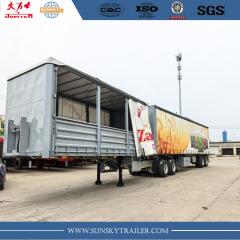
Xe moóc thùng lửng là một loại phương tiện vận tải thương mại được trang bị các tấm vách bên và cửa sau có bản lề ở phía dưới. Các vách này có thể được hạ xuống hoặc tháo rời hoàn toàn để cho phép bốc và dỡ hàng nhanh chóng 360 độ bằng xe nâng.
Xe moóc thùng lửng khác với xe moóc thùng mui bạt như thế nào?
Trong khi xe moóc thùng mui bạt sử dụng rèm PVC linh hoạt trên khung cứng để bảo vệ hàng hóa khỏi thời tiết, xe moóc thùng lửng có các vách bên bằng kim loại cứng (thép hoặc nhôm) giúp ngăn chặn vật lý cho hàng hóa rời, nặng hoặc hàng rời.
Xe moóc thùng lửng có phù hợp với vật liệu xây dựng nặng không?
Có. Xe moóc thùng lửng được sử dụng rộng rãi trong các ngành xây dựng, nông nghiệp và khai thác mỏ nhờ khả năng vận chuyển an toàn các thiết bị nặng, thép kết cấu, đường ống, cát và các khối bê tông đúc sẵn.
Kết luận: Nâng cao hiệu quả logistics của bạn
Trong một ngành mà thời gian tiết kiệm được chuyển đổi trực tiếp thành lợi nhuận tăng thêm, xe moóc thùng lửng nổi bật như một công cụ không thể thiếu. Bằng cách giảm thời gian chu kỳ bốc dỡ, loại bỏ các chuyến xe chạy rỗng và đảm bảo an toàn hàng hóa trên nhiều ngành công nghiệp khác nhau, việc đầu tư vào các loại xe moóc thùng lửng chất lượng có thể cải thiện đáng kể lợi tức đầu tư (ROI) cho đội xe của bạn.